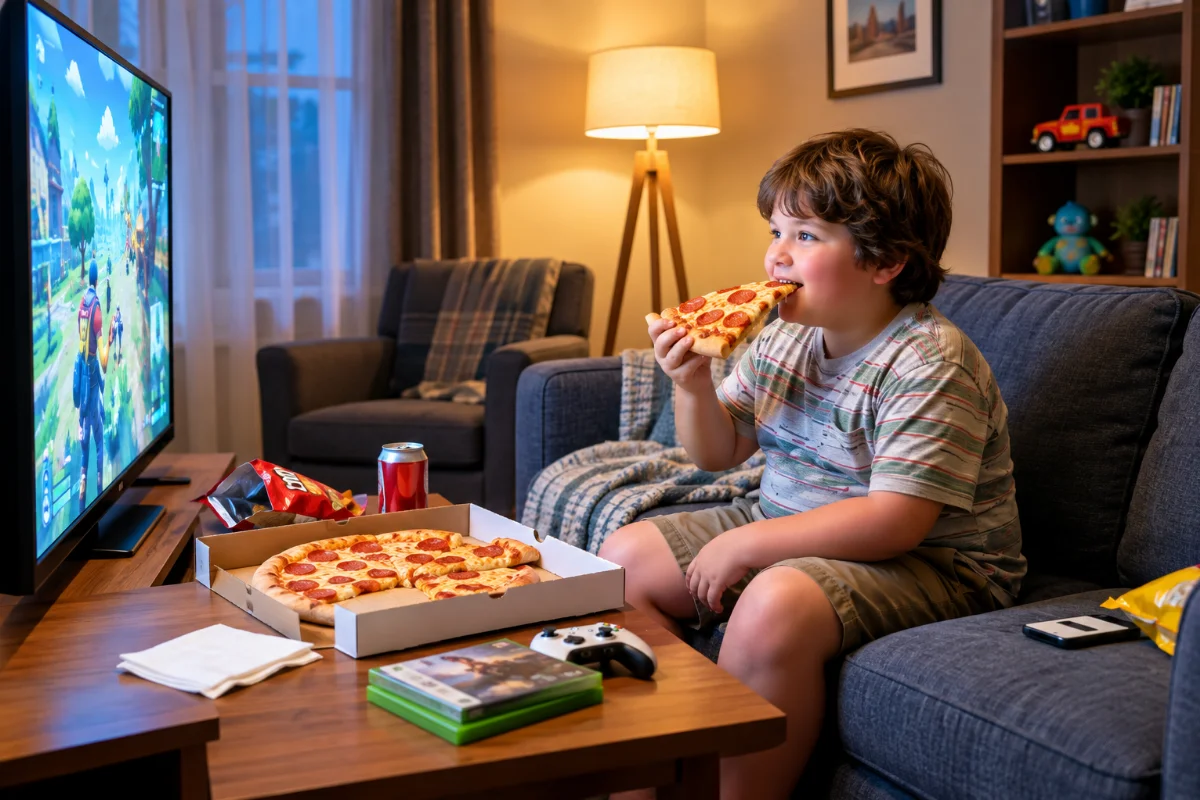
If you’ve ever hovered near your kid at a birthday party, silently counting how many slices of cake he has eaten, you’re not alone, and you’re not overreacting. As a parent who has sat through those same anxious moments, I understand the instinct and the data backs up your concern. According to the Centers for Disease Control and Prevention (CDC), childhood obesity in the United States has nearly quadrupled since the 1970s, now affecting close to 1 in 5 children, or roughly 19.7% of kids aged 2 to 19. Pediatric researchers point to a mix of processed food consumption, reduced physical activity, and screen time exceeding 7 hours a day for many children as key drivers.
In Pakistan, the trend is accelerating even faster. Studies published in peer-reviewed pediatric health journals show that obesity in children and adolescents has been climbing by an estimated 10.6% annually since 2010 one of the fastest growth rates in the world. The World Health Organization (WHO) has flagged South Asia as a region of particular concern, citing urbanization, sedentary lifestyles, and shifting dietary patterns toward calorie-dense, nutrient-poor foods as contributing factors.
Pediatricians and nutrition experts consistently emphasize that early intervention matters: children who are obese are up to five times more likely to remain obese into adulthood, raising long-term risks for type 2 diabetes, cardiovascular disease, and mental health struggles like low self-esteem and anxiety.
So if you’ve been quietly worried, trust that instinct. It isn’t paranoia it’s awareness rooted in real, documented trends. Recognizing the problem early is the first, most trustworthy step toward helping your child build lasting, healthy habits.
What Actually Counts as Childhood Obesity?
Childhood obesity is diagnosed when a child’s BMI is at or above the 95th percentile for their age and sex. It is caused by a mix of genetics, diet, inactivity, poor sleep, and environment. And it’s linked to type 2 diabetes, heart disease, and mental health struggles later in life. The most effective response combines whole-family lifestyle changes with pediatric guidance, not restrictive dieting.
Doctors don’t eyeball it. They calculate Body Mass Index (BMI), weight relative to height, and check it against other children of the same age and sex.
| BMI Percentile | Category |
| Below 5th percentile | Underweight |
| 5th – 84th percentile | Healthy weight |
| 85th – 94th percentile | Overweight |
| 95th percentile and above | Obese |
Here’s the nuance a lot of articles skip: BMI alone can mislead. A stocky, muscular ten-year-old and a sedentary one can land in the same percentile for very different reasons. That’s why a good pediatrician looks at growth history, family background, and lifestyle too, not just one chart.
How big is the problem, really?
The trend line tells its own story, and it looks different depending on where you’re reading this from.
1. Globally and in the U.S.:
- Around 19.7% of U.S. children and adolescents aged 2–19 about 14.7 million kids have obesity.
- The World Health Organization estimates 39 million children under five and 340 million school-age children and adolescents worldwide are overweight or obese.
- Global obesity prevalence in children and adolescents aged 5–19 rose from 0.7% to 5.6% in girls and 0.9% to 7.8% in boys between 1975 and 2016.
2. In Pakistan and South Asia:
- Pakistan’s National Nutrition Survey found over 11% of children were overweight and over 5% obese, but hospital-based studies suggest the real figures may run as high as 40–50% in some urban populations.
- The World Obesity Atlas 2026 places Pakistan among the fastest-rising countries globally, with roughly 18 million children aged 5–19 now living with high BMI, including about 8 million classified as obese.
- A meta-analysis across Indian states found close to 7% of school-going children affected, with pockets like Telangana reaching over 11% driven by urban lifestyles, processed diets, and shrinking outdoor play space.
What’s notable in South Asia specifically is that this rise is happening alongside persistently high rates of under nutrition, meaning many countries in the region are managing both problems in the same population at once, which changes how public health messaging and school nutrition policy need to work.
Signs and Symptoms, by Age
Excess weight is the most visible marker, but it’s rarely the first thing parents notice, and what to watch for shifts as kids grow.
1. Toddlers and early childhood (2–6 years)
- Rapid weight gains relative to growth charts
- Difficulty keeping pace with same-age peers during active play
- Skin rashes in areas were skin folds trap moisture
2. School-age children (7–11 years)
- Getting winded or tired faster than classmates during PE or sports
- Snoring or noticeable pauses in breathing during sleep
- Joint pain, especially in knees and hips
- Withdrawing socially or seeming self-conscious in group activities
3. Adolescents and teens (12–18 years)
- Early puberty in girls, delayed puberty in boys
- Acid reflux, excessive sweating, or persistent fatigue
- Low self-esteem, anxiety, or depressive symptoms tied to body image
- Fat tissue accumulation in the chest area in boys, which can be a source of particular embarrassment
What’s Actually Driving the Increase in Childhood Obesity

Childhood obesity is rarely caused by one thing. Overlapping factors that compound each other over years contribute to this.
- Genetics and family history. A family history of obesity raises a child’s risk by roughly 25–30%. When both parents have obesity, that risk climbs to around 80%. Genetics don’t act alone—they shape how a child’s body responds to the environment they’re raised in.
- Diet and ultra-processed food. Rising consumption of ultra-processed, calorie-dense foods is one of the most consistently cited drivers worldwide, especially as cheaper processed options often outcompete fresh food on price and convenience.
- Screen time and inactivity. Hours on phones and TV displace physical play. In a survey, children who got more than 30 minutes of daily physical activity were roughly half as likely to be overweight or obese as those who got less.
- Sleep, the factor most articles skip. This one deserves more attention than it usually gets. A systematic review of 42 studies covering over 75,000 children found that short sleep was associated with a 58% greater risk of overweight or obesity and that each additional hour of sleep was linked to a measurable drop in BMI. Separate research from Mass General Hospital for Children found that sleep-deprived children were about 2.5 times more likely to become obese, partly because inadequate sleep disrupts the hormones that regulate hunger and fullness, and partly because tired kids tend to watch more TV and snack more while doing it.
- Socioeconomic and environmental factors. Families with limited financial resources may struggle to afford healthier food, and children in under-resourced communities often lack access to safe places to play. Schools that sell or advertise junk food and neighborhoods without parks or sidewalks compound the problem regardless of what happens at home.
- The COVID-19 aftershock. The pandemic disrupted routines, food access, and activity levels worldwide, and researchers point to it as a real accelerant behind recent increases in childhood obesity rates.
- Psychological factors. Emotional eating tied to stress, sadness, or unmet emotional needs shows up repeatedly in clinical literature; obesity and mental health often reinforce each other rather than sitting as separate, unrelated issues.
The Health Risks: Why Childhood Obesity Matters Long-Term
Childhood obesity is concerning precisely because it starts kids down a path toward conditions once considered adult-only problems.
- Type 2 diabetes and metabolic syndrome, because the body struggles to properly metabolize glucose.
- Cardiovascular strain, high blood pressure, high cholesterol, and elevated risk of heart disease later in life.
- Respiratory issues, including asthma and obstructive sleep apnea.
- Fatty liver disease, a usually symptomless condition where fat builds up in the liver and can progress to scarring.
- Mental health impact: teasing or bullying tied to weight is linked to higher rates of depression and anxiety in affected kids.
- Academic and social struggles, tied to stigma and reduced self-esteem.
- Adult obesity children who are overweight or obese tend to remain so into adulthood, carrying the same disease risks forward.
How to Talk to Your Child About Their Weight (Without Damaging Their Self-Esteem)
This is one of the hardest parts for parents, and it’s worth doing carefully. Pediatric guidance on this has become notably more cautious in recent years, and for good reason.
- Lead with health, not weight. Frame conversations around energy, sleep, and how their body feels, not the number on a scale.
- Use person-first language. “A child living with excess weight,” not “an overweight kid.” The distinction affects how children internalize the message.
- Ask before you advise. Try “How do you feel about it?” rather than opening with a solution. Thank them for being honest if they share something vulnerable.
- Never single a child out. Make changes a whole-family effort: a new sport, family meals, and weekend activity so the child doesn’t feel targeted or blamed.
- Watch your own words about your own body. Kids absorb how parents talk about their own weight and food just as much as what is said to them directly.
- Loop in the pediatrician. A doctor can frame “what’s healthy for this specific child” more neutrally than a parent can and takes some of the emotional weight off the parent-child relationship.
Several pediatric dietitians go further, arguing that direct “weight talk” with kids should be avoided altogether in favor of talking about food, movement, and feelings. Because even well-intentioned conversations about weight can leave a lasting mark on body and mind. The shared thread across every credible source is the same: Never make the child feel like their body is a problem to be fixed.
1. Prevention: What Actually Reduces Risk
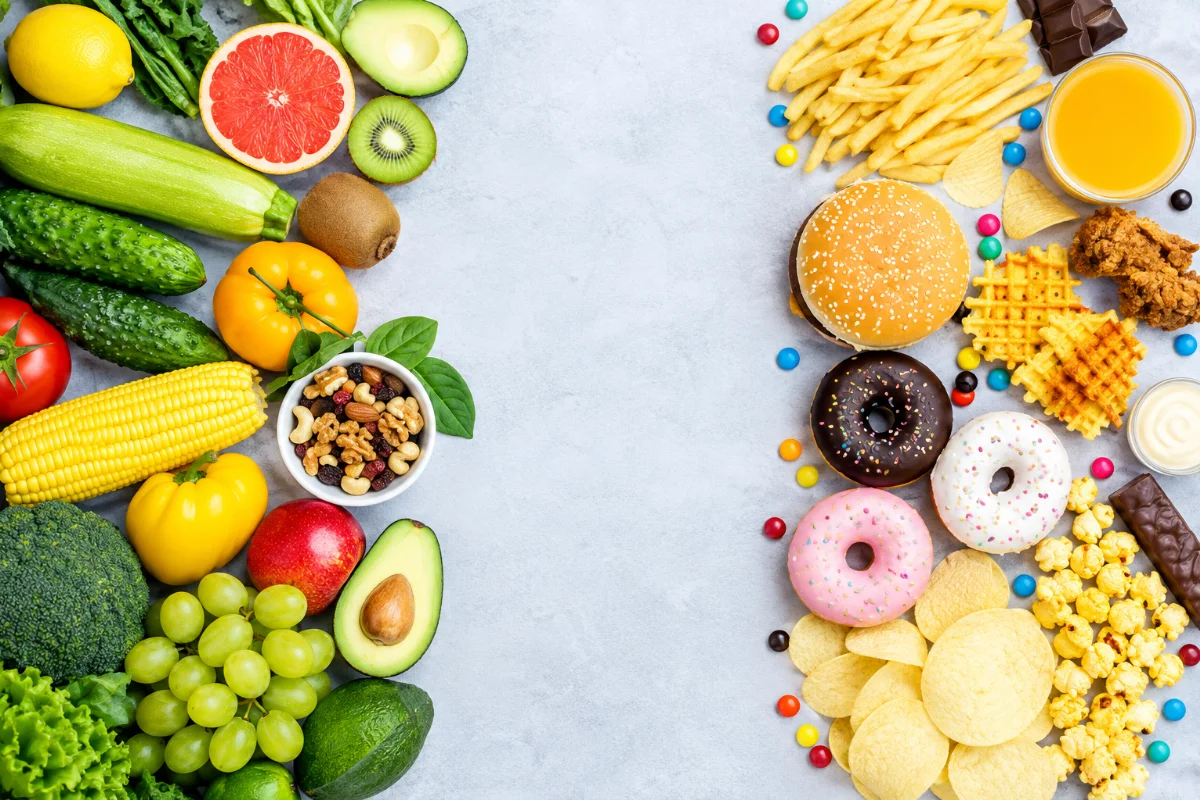
The most effective prevention strategies aren’t about restriction; they’re about environment and consistency.
- Model it, don’t just enforce it. Family-wide healthy eating and activity work better than singling out one child.
- Redesign the snack drawer. Keep ready-to-grab options on hand: fruit with yogurt, vegetables with hummus, air-popped popcorn.
- Be patient with new foods. It typically takes several exposures before a child accepts something unfamiliar.
- Protect the bedtime routine. Sleep is linked to obesity; a consistent, age-appropriate bedtime is one of the simplest, lowest-conflict interventions available.
- Rethink rewards. Use non-food rewards to avoid building an early link between food and emotional payoff.
- Protect meals from distraction. Screen-free family meals support portion control and healthier eating patterns.
- Hit activity targets realistically. Aim for 150–300 minutes of physical activity weekly, framed as fun rather than exercise-as-punishment.
- Cut liquid calories. Swap sugary drinks for water, milk, or diluted juice.
- Make healthy food choices for your kids
Treatment: What Happens If Prevention Isn’t Enough
Treatment is rarely about quick weight loss. It’s typically gradual, adjusted to the child’s age and the severity of the condition, with plans reviewed over time rather than treated as a one-time fix.
- Lifestyle and behavioral therapy come first for most children—involving a pediatrician, dietitian, and sometimes a psychologist. For younger children still growing, the goal is often to slow weight gain so they “grow into” their weight rather than lose it outright.
- Medical management for more severe cases. Updated American Academy of Pediatrics guidelines now include obesity medication for children 12 and older and weight-loss surgery for teens 13 and older, used alongside, not instead of, lifestyle treatment.
Frequently Asked Questions
Q1: What BMI is considered obese for a child?
A BMI at or above the 95th percentile for a child’s age and sex is generally classified as obesity; the 85th to 94th percentile range is considered overweight.
Q2: Can childhood obesity be reversed?
Yes, especially when caught early. Many younger children don’t need to lose weight at all; slowing weight gain while they continue growing in height is often enough to bring BMI back into a healthy range over time.
Q3: Is childhood obesity mostly genetic or lifestyle-driven?
Both. Genetics can raise baseline risk by 25 to 80% depending on family history, but diet, activity, sleep, and environment determine whether that risk is expressed.
Q4: Does poor sleep really cause weight gain in children?
Strong evidence says yes. Multiple large studies link short sleep duration to a significantly higher risk of childhood obesity, independent of diet and activity levels.
Q5: Why is childhood obesity rising so fast in Pakistan and South Asia?
Rapid urbanization, increased consumption of processed and fast food, reduced outdoor play space, and rising screen time are the most common factors.
Q6: Should I tell my child they’re overweight?
Most pediatric guidance recommends against direct “weight talk.” Focus conversations on health, sleep, and feelings instead, and let a pediatrician handle the specifics of BMI and growth tracking.
The Bottom Line

Childhood obesity has nearly tripled in the U.S. over the past fifty years, according to data from the Centers for Disease Control and Prevention (CDC), and it is climbing even faster across parts of South Asia, including Pakistan, where rates have risen by an estimated 10.6% annually since 2010. Pediatric researchers and public health experts agree that the causes are rarely simple it’s a mix of genetics, food environments, screen habits, and sleep deprivation, often compounding one another over years rather than months.
The consequences reach into nearly every organ system, from insulin resistance and elevated blood pressure to joint strain and disrupted growth patterns, and they extend deeply into a child’s emotional life, with studies linking childhood obesity to higher rates of anxiety, low self-esteem, and social withdrawal.
The encouraging part: none of the evidence-backed prevention strategies require extreme measures. Pediatricians and nutrition specialists consistently point to small, consistent changes better sleep, protected meal times, more daily movement, and early pediatric check-ins as the most reliable ways to intervene before excess weight becomes a lifelong health burden. Research published in leading pediatric journals reinforces that early, sustainable habits outperform short-term fixes, offering families a realistic, science-backed path forward rather than one built on fear or restriction.